









Dinner time is often the best part of the day — enjoying good food and relaxing with family or friends. However, the cleanup afterward can feel like a chore that drags on. Fortunately, with a few thoughtful habits and smart strategies, you can make dinner cleanup faster, easier, and maybe even a little enjoyable. Here are some practical ideas to help reduce your kitchen mess and spend less time scrubbing and more time relaxing.
Plan Ahead to Reduce Mess
Prep Your Workspace Before Cooking
Start with a clean workspace. Wipe down counters, clear out clutter, and gather your ingredients and tools before you begin. This minimizes spills and makes cleaning surfaces simpler later.
Use Fewer Dishes
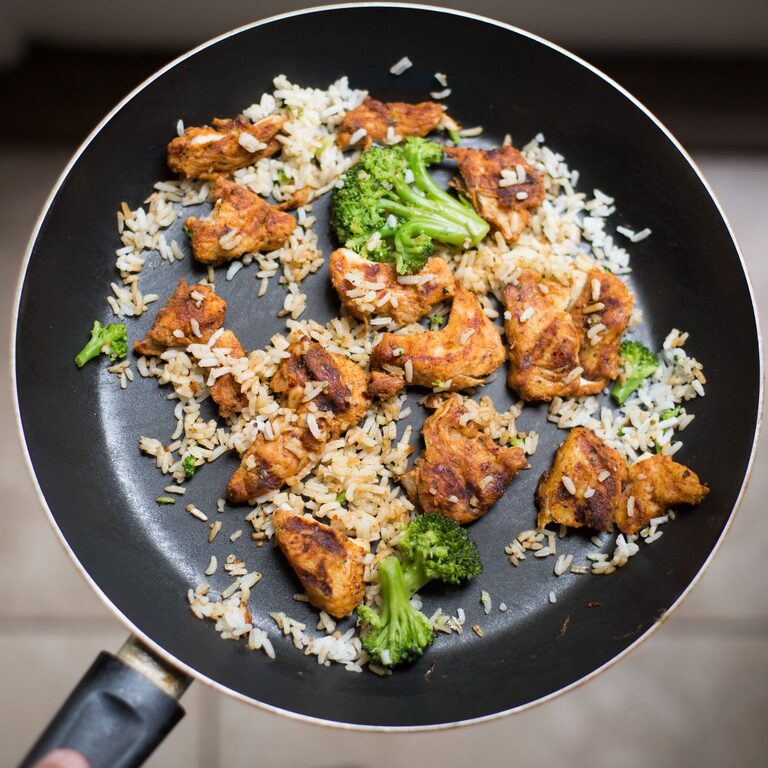
Try to cook with minimal cookware. For example, use one pan for multiple ingredients or bake items together on a single sheet tray. This approach cuts down on the number of dishes you need to wash.
Line Pans and Trays
Using parchment paper or foil to line your baking sheets and pans helps prevent food from sticking, which makes cleanup much faster. Simply toss the liner after cooking instead of scrubbing baked-on residue.
Make Cleanup Part of the Cooking Process
Wash as You Go
Instead of waiting until after dinner, clean mixing bowls, knives, and utensils while your food is cooking or simmering. This habit spreads out the work and keeps the sink clear.
Soak Pots and Pans Immediately
Fill pots, pans, and bowls with hot soapy water as soon as you’re done using them. Soaking loosens food particles and grease, making scrubbing easier later.
Use the Dishwasher Wisely
Load the dishwasher throughout the cooking process with any clean plates, cups, or utensils you finish using. Running it immediately after dinner keeps clean items ready for the next meal.
Organize Your Cleaning Tools
Keep Cleaning Supplies Handy
Store sponges, dish soap, scrub brushes, and towels near your sink for quick access. Having everything within reach encourages you to tidy up right away instead of postponing it.
Use a Sink Caddy or Organizer
A small caddy helps keep cleaning tools neat and lets them dry properly. Plus, it frees counter space and reduces clutter.
Simplify Table Cleanup
Use Placemats or Disposable Table Covers
Placemats protect your table from spills and crumbs and are easier to wipe down or replace than cleaning an entire table surface.
Encourage Family Participation
Make cleanup a shared activity by assigning small tasks to family members. Kids can clear their plates, wipe the table, or help load the dishwasher, which makes the work faster and teaches responsibility.
Embrace Efficient Cleaning Methods
Use Baking Soda and Vinegar for Tough Stains
These natural ingredients can help cut through grease and stubborn food residue without harsh chemicals. Sprinkle baking soda on dirty surfaces, spray vinegar, let it fizz, and wipe clean.
Invest in a Good Dish Rack or Drying Mat
Efficient drying saves time and keeps your kitchen organized. Choose a drying rack that fits your space and allows airflow to speed drying.
Consider a Portable Garbage Bin
A small bin near your prep area lets you toss scraps and packaging immediately, reducing trips to the trash can and keeping your cooking zone tidy.
Additional Tips to Reduce Cleanup Stress
– Cook One-Pot or One-Pan Meals: These dishes naturally reduce pots and pans used.
– Use Slow Cookers or Instant Pots: These appliances simplify cooking and minimize dishes.
– Keep Wipes Nearby: Quick wipe-downs of counters and stove tops right after dinner prevent buildup.
– Establish a Post-Dinner Cleanup Routine: Consistency helps make cleanup a habit instead of a dreaded chore.
Final Thoughts
Dinner cleanup doesn’t have to take up a large portion of your evening. By incorporating a few simple habits before, during, and after cooking, you can reduce mess, save time, and keep your kitchen looking great. Start with one or two of these ideas and gradually add more. Soon enough, you’ll find that cleanup becomes a smooth, manageable part of your daily routine — freeing you up to enjoy the moments that matter most.